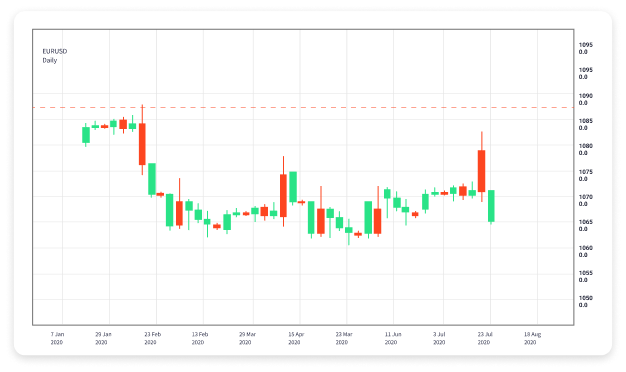
Opening a forex trading account can be a significant step towards achieving your financial goals and investing in currency markets. Whether you are an experienced trader or a beginner, understanding the process and requirements is crucial. In this article, we will guide you through the steps to open a forex trading account, what to consider when choosing a platform, and some essential tips to succeed in forex trading. For those interested in robust options, you can check out various forex trading account opening Thai Trading Platforms to enhance your forex trading journey.
Understanding Forex Trading Accounts
A forex trading account is an arrangement between you and a broker that allows you to buy and sell foreign currencies. To trade forex, you must first open a trading account with a registered broker. Brokers serve as intermediaries who facilitate your trades in the forex market.
Types of Forex Trading Accounts
Before opening an account, it is essential to understand the different types of forex trading accounts available. These include:
- Standard Accounts: Best for experienced traders who can manage higher risks.
- Mini Accounts: Suitable for new traders with lower trading volume.
- Micro Accounts: These accounts allow for very low investments and are good for practice.
- Managed Accounts: Where a professional manager handles your trades based on your investment goals.

Steps to Open a Forex Trading Account
Here is a straightforward step-by-step guide to help you open a forex trading account:
1. Choose a Reliable Forex Broker
The first step in opening a forex trading account is to choose a reputable broker. Look for a broker that is registered and regulated by a recognized financial authority. Factors to consider include trading fees, available trading platforms, customer support, and reviews from other traders.
2. Complete the Application Form
Once you select a broker, you will need to fill out an online application form. This form typically requires personal information such as your name, address, email, phone number, and financial background. Be prepared to provide information about your trading experience and investment objectives.
3. Verify Your Identity
To comply with regulations, brokers are required to verify your identity. You will need to submit identification documents, which may include a passport, driver’s license, or utility bill with your name and address. This verification process is a standard requirement for opening any trading account.
4. Fund Your Account

After your identity is verified, you can fund your account. Brokers offer various methods for depositing funds, including bank transfers, credit/debit cards, and electronic payment systems. Ensure you understand the deposit options and any associated fees.
5. Download Trading Software
Once your account is funded, you can download the trading software provided by the broker. Most brokers offer platforms like MetaTrader 4 or 5, which are user-friendly and equipped with various tools for analysis and trading.
6. Start Trading!
With everything in place, you can start trading. Begin with small trades to familiarize yourself with the trading platform and strategies. It is essential to have a trading plan and risk management strategies in place to increase your chances of success.
Choosing the Right Trading Platform
Choosing the right trading platform is critical to your trading success. A good trading platform should have the following features:
- User-friendly interface: The platform should be easy to navigate, especially for beginners.
- Advanced trading tools: Look for platforms that offer a variety of tools for technical analysis and indicators.
- Mobile compatibility: Ensure that the platform has a mobile app for trading on the go.
- Customer support: A responsive customer support team can help resolve any issues quickly.
Understanding Forex Trading Costs
When trading forex, it’s crucial to understand the costs involved. Common costs include:
- Spreads: This is the difference between the buying and selling price of currency pairs.
- Commissions: Some brokers charge a commission on trades.
- Swap fees: If you hold a position overnight, you might incur a swap fee.
Tips for Successful Forex Trading
To increase your chances of success in forex trading, consider the following tips:
- Educate Yourself: Take time to learn about trading strategies, market analysis, and risk management.
- Practice with a Demo Account: Most brokers offer demo accounts to practice trading without risking real money.
- Develop a Trading Plan: A solid trading plan can guide your trading decisions and minimize emotional trading.
- Stay Updated: Keep abreast of global economic news and events that may affect the currency markets.
- Manage Your Risk: Always use stop-loss orders to limit potential losses and never risk more than you can afford to lose.
Conclusion
Opening a forex trading account is the first step to entering the exciting world of forex trading. By understanding the process involved and selecting the right broker and trading platform, you can set the stage for successful trading. Remember that forex trading requires a combination of knowledge, practice, and disciplined risk management. With persistence and the right strategies, you can achieve your trading goals and thrive in the forex market.