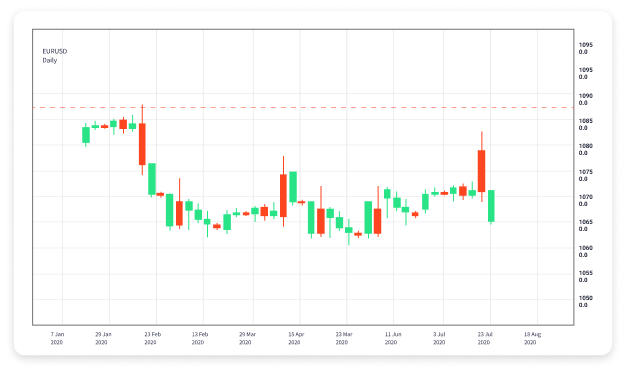
The Global Forex Trading Market: Trends, Strategies, and Future Prospects
Global forex trading has become one of the most dynamic and lucrative markets in the world, attracting millions of traders and investors. With the advent of technology and the increasing accessibility of trading platforms, like global forex trading Crypto Trading App, forex trading has transformed into a global phenomenon.
The forex market, or foreign exchange market, is a decentralized global marketplace for the trading of currencies. It is the largest financial market in the world, with an average daily trading volume exceeding $6 trillion. This market operates 24 hours a day, five days a week, making it accessible to traders in various time zones. Forex trading is driven by various factors, including economic indicators, geopolitical events, and market sentiment, making it essential for traders to stay informed and adaptable.
Understanding Forex Market Structure
The forex market consists of three primary participants: banks, financial institutions, and retail traders. Central banks influence currency values through monetary policy, while financial institutions conduct large transactions on behalf of clients. Retail traders, on the other hand, represent individual investors who buy and sell currencies for personal profit. This diverse ecosystem creates a vibrant and competitive environment for trading.
Key Currency Pairs and Their Importance
Currency pairs are the backbone of forex trading. They are categorized into major, minor, and exotic pairs. Major pairs include currencies like the US Dollar (USD), Euro (EUR), and Japanese Yen (JPY), which are highly liquid and widely traded. Minor pairs consist of currencies that are not as commonly traded. Exotic pairs involve a major currency paired with a currency from a developing economy.
Understanding the intricacies of these pairs is crucial for developing a successful trading strategy. For instance, geopolitical events can have a more significant impact on exotic pairs due to their lower liquidity. Traders must assess the volatility and risk factors associated with each pair to make informed trading decisions.
Trends Influencing the Forex Market
Several trends shape the current landscape of forex trading. The rise of automated trading solutions and algorithms has gained popularity among traders looking to capitalize on market movements. Automated systems execute trades based on predetermined criteria, offering speed and efficiency that can be advantageous in the fast-paced forex market.
Additionally, the integration of artificial intelligence and machine learning into trading strategies has allowed traders to analyze vast amounts of data and identify patterns. These technologies can provide insights that enhance trading decisions and reduce the emotional aspect often associated with retail trading.
Risk Management in Forex Trading
One of the most critical aspects of forex trading is risk management. Due to the high leverage offered in forex trading, traders can control substantial amounts of capital with relatively small investments. However, this leverage also increases the potential for significant losses. Effective risk management strategies, such as setting stop-loss orders, diversifying trading portfolios, and using proper position sizing, are essential for protecting capital and achieving long-term success.
Traders should also be aware of their emotional responses to market fluctuations. It is essential to develop a disciplined trading plan and adhere to it, regardless of market pressures. Emotional trading can lead to poor decision-making and result in losses that could have been avoided with a structured approach.
The Future of Forex Trading
As technology continues to evolve, the future of forex trading looks promising. The rise of blockchain technology and cryptocurrencies has the potential to disrupt traditional forex markets, offering new opportunities for traders. Digital currencies provide an alternative means of exchange, and as adoption increases, traders will need to adapt their strategies to include these assets.
Additionally, regulatory developments will continue to shape the forex landscape. Governments and regulatory bodies are increasingly focusing on protecting retail traders and ensuring transparency in the markets. This regulatory scrutiny may lead to changes in how brokers operate and the tools available to traders.
Conclusion
In conclusion, global forex trading offers vast opportunities for traders willing to invest time in understanding the market’s intricacies. Staying informed about market trends, employing sound trading strategies, and developing robust risk management practices are essential for success. As the forex market evolves, traders must remain adaptable and open to embracing new technologies and changes in the regulatory environment. The future of forex trading is bright, and those who are prepared will undoubtedly reap the rewards.